People – nature relationships

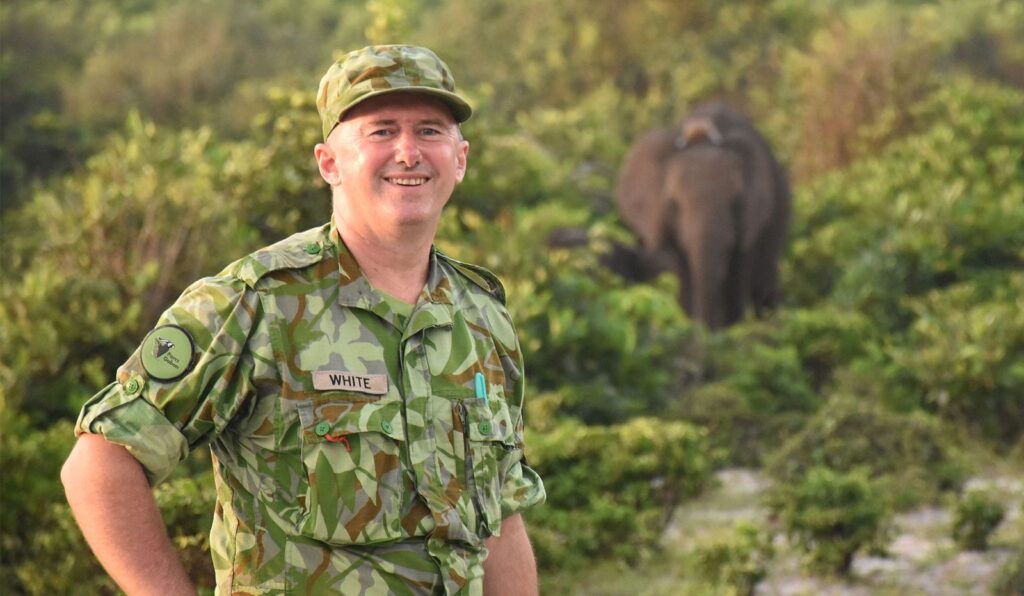
Congo Basin loss could trigger water wars across Africa — ex-Gabon minister Lee White

This article was originally published by Daily Maverick Conservation scientist Lee White reflects on four decades spent creating Gabon’s national parks, tackling illegal logging and confronting the failures of global carbon markets. Loango National Park in Gabon. Conservation scientist Lee White spent more than three decades working to protect Gabon’s forests and wildlife. (Photo: Supplied

Read More

Conservationists Need To Listen Before They Lead

This article was originally published by Africa.com For decades, African conservation has spoken about involving local communities in protecting wildlife. But despite growing recognition that many people living alongside wildlife hold valuable knowledge, too many decisions are still made without them. That was the central message from the Tipping Points webinar hosted by Oppenheimer Generations

Read More

JWO finalists – Scientists race to read Africa’s environmental future

This article was originally published by Daily Maverick From microbes hidden beneath desert soils to the plankton that underpin aquatic food webs, five African scientists are developing new ways to detect ecological change before it becomes visible. The finalists, from left: Dr Gabriel Akoko Juma, an ecologist whose research explores how climate change reshapes the

Read More

The vuvuzelas that sent lions home

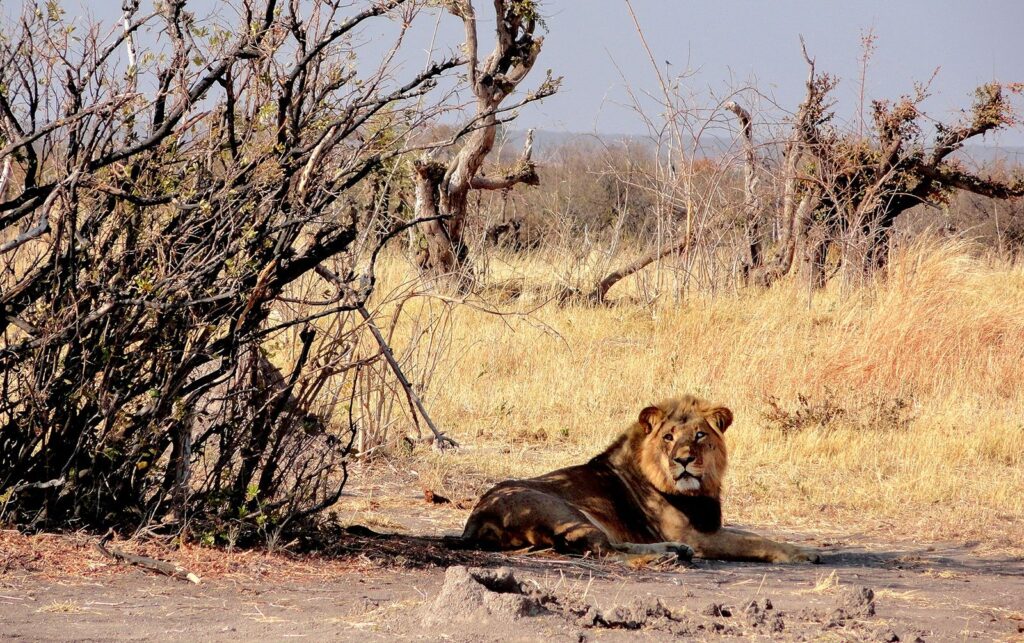
This article was originally published by Daily Maverick Villagers in Zimbabwe have discovered that vuvuzelas can ward off lions, significantly reducing livestock losses and demonstrating local ingenuity in wildlife conservation. A male lion in Zimbabwe’s Hwange National Park. As lions disperse beyond the park’s boundaries in search of territory or food, communities are often the

Read More

Fences, memory and the moving wild

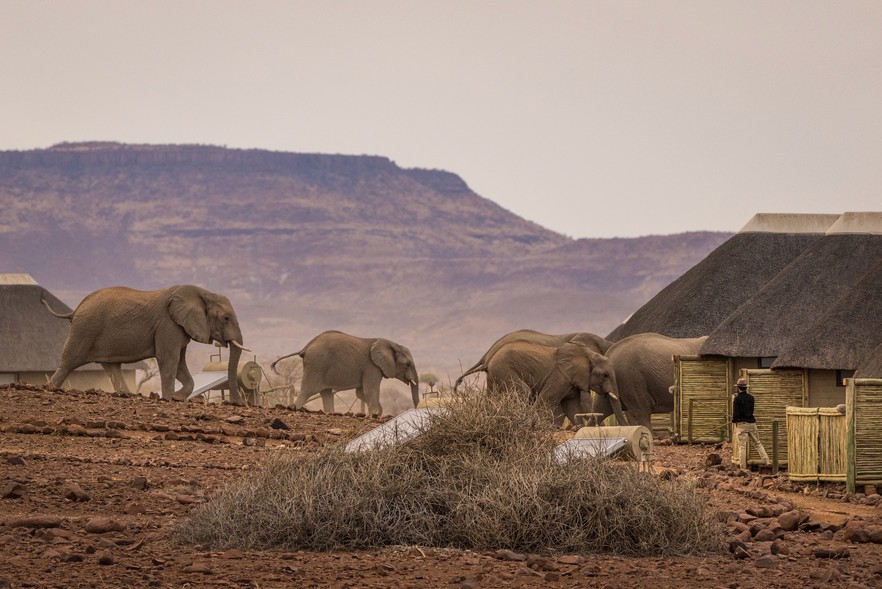
This article was originally published by GroundUp A desert elephant’s 600km journey reveals why conservationists and governments need to rethink the use of fences A herd of elephants moves through a rural Namibian village. Photos: Morgan Hauptfleisch. A single elephant’s journey highlights a central tension in African conservation today: the clash between roaming wildlife and

Read More

After dodging extinction, will the black wildebeest now fade away to blue?

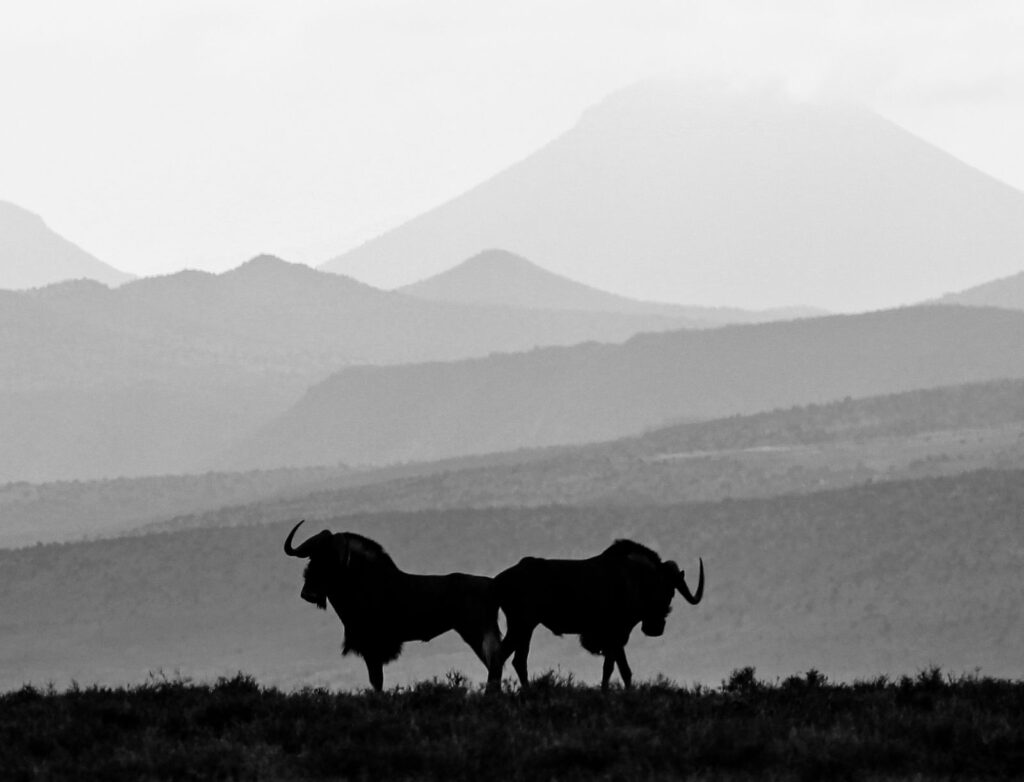
This article was originally published by Daily Maverick Having narrowly escaped extinction in the 19th century, the black wildebeest now faces a different threat: being genetically absorbed by the far more numerous blue wildebeest. Researchers are using cutting-edge genomic tools to determine whether hybridisation is quietly eroding the genetic identity of one of South Africa’s

Read More

Hidden economies of the wild: From worms to frankincense 

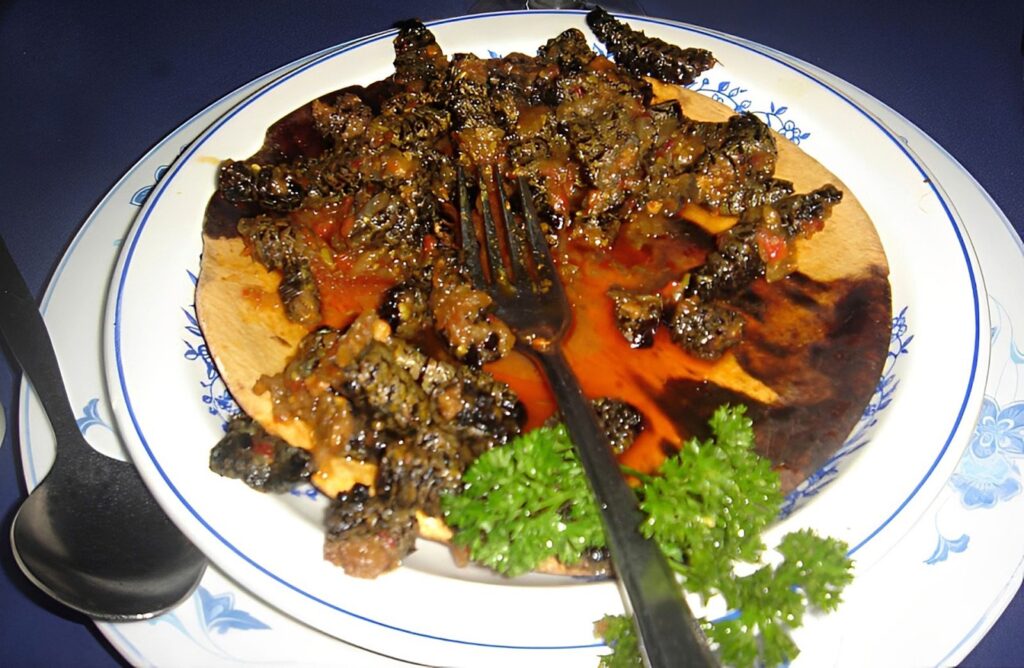
This article was originally posted by Daily Maverick Can conservation pay for itself and create meaningful livelihoods beyond fenced protected areas? Researchers and entrepreneurs across southern and east Africa are exploring ways for rural communities to generate income from sustainably harvested wild resources. A plate of cooked mopane worms, a traditional southern African delicacy, prepared

Read More

Hidden hunters of the Kalahari: Why small carnivores hold big ecological answers

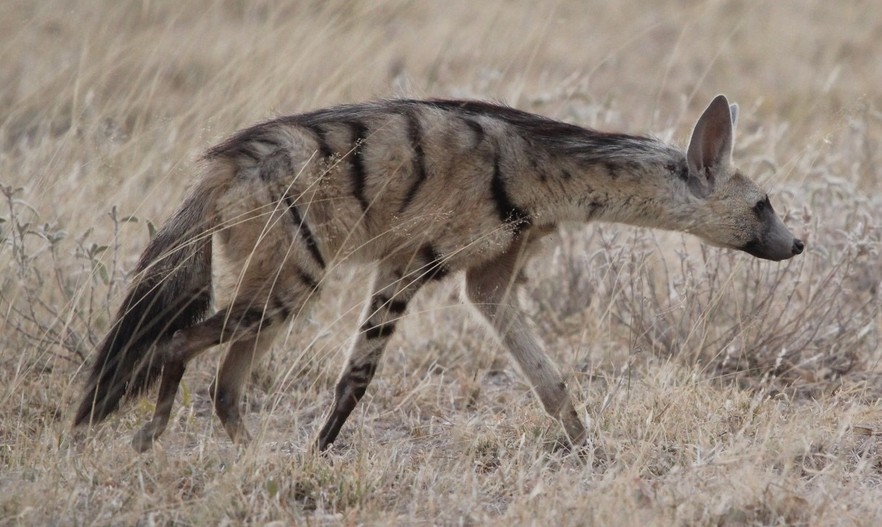
Originally posted by GroundUp A landmark study at Tswalu Kalahari Reserve is poised to spotlight the vital role medium-sized carnivores play in the Savanna ecosystem The insect-eating aardwolf is a specialist termite predator. At Tswalu Kalahari Reserve, it is one of several medium-sized nocturnal carnivores now being studied to fill key gaps in ecological understanding.

Read More

The Australian crayfish invading our rivers

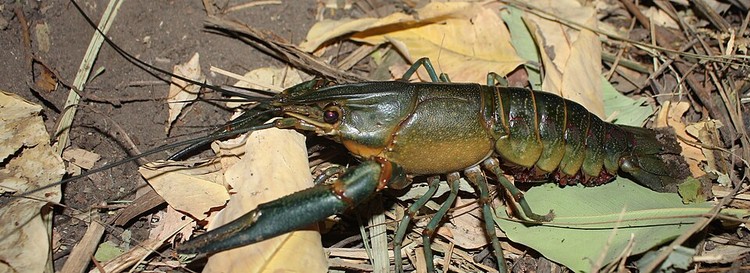
This article was originally published by GroundUp The invasive Australian red claw crayfish is spreading in southern Africa’s rivers. Photo: Nature Catcher | Wikimedia Commons Highly invasive Australian red claw crayfish are spreading rapidly across southern Africa’s waterways. Local fishers’ livelihoods and aquatic biodiversity are under threat. Catching and selling the crayfish for food could

Read More