research models for impact

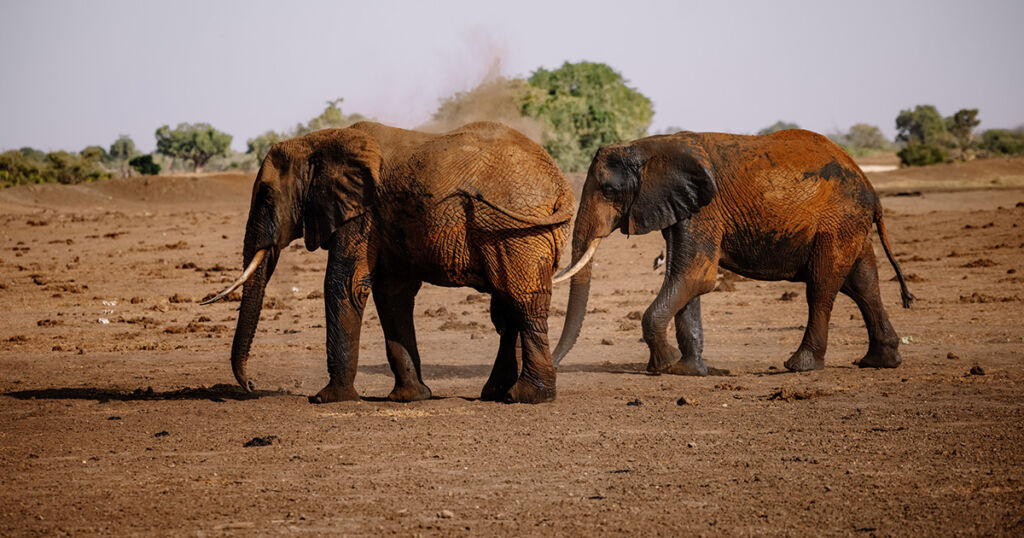
Elephant

Poop provides conservationists with clues about pollution levels

A day in the sun at a rotting carcass surrounded by lions may not be everyone’s idea of a successful day at the office, but for Dr Andrea Webster, faeces from different species provides valuable clues about how pollutants can affect wildlife populations in protected areas. Dr Webster is a postdoctoral fellow at the University of Pretoria’s Mammal Research Institute and recent recipient of a PD scholarship from the Oppenheimer Chair for Emerging Scientists in Non-invasive Wildlife Research Programme.

Read More
Fair Open Data

Making Open Data Work for Africa

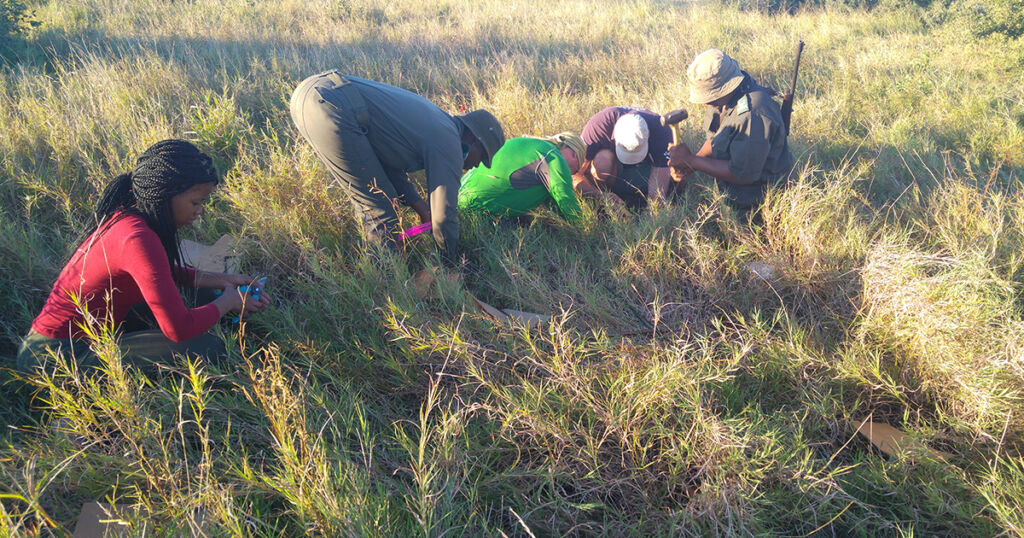
A recent commentary by Renato A. F. de Lima and 25 colleagues from a range of countries presents a call for recognising the massive intellectual, financial, and personal investment made by people collecting field ecological data globally. They argue that the international push to make forest plot data “FAIR” (Findable, Accessible, Interoperable, Reusable) has made the situation more UNFAIR, by degrading the rights and opportunities of those who invested in collecting the data.

Read More
Reimagining an empowered Africa

Reimagining an empowered Africa

How do we steer a path towards Africanfuturism, away from colonial narratives of what is fit for Africa? Laura Pereira (with insight from her colleagues) argues that retrieving indigenous knowledge through storytelling and exploring transdisciplinary visioning in Africa allow for a more radical way of thinking about possible sustainable futures.

Read More