A smell a day keeps predators at bay
Yves Vanderhaeghen interviews semiochemist Dr Peter Apps, who wants to use animal smells to keep them safe.
Yves Vanderhaeghen interviews semiochemist Dr Peter Apps, who wants to use animal smells to keep them safe.
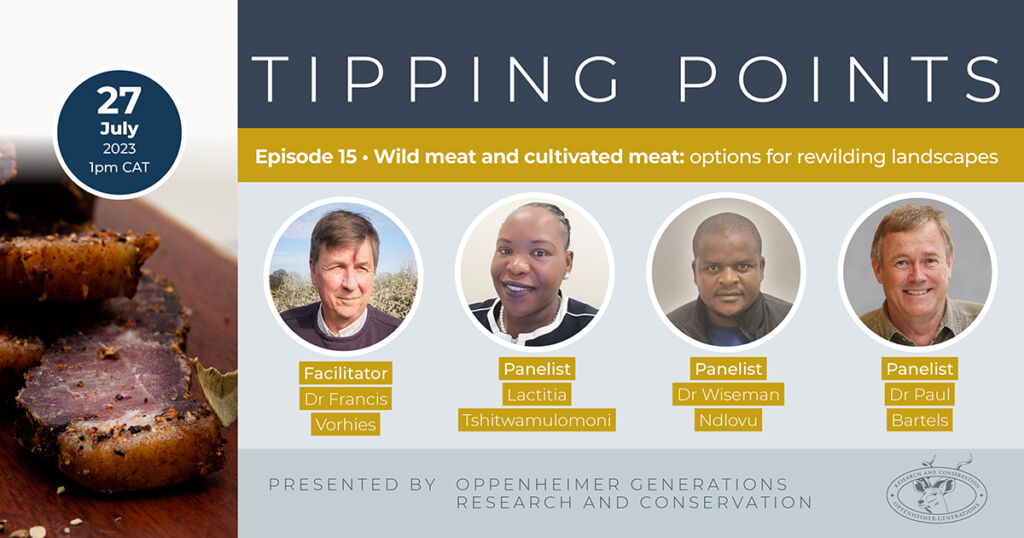
Worried about population growth and the pressures of feeding a hungry planet? Don’t have a cow, cultivate one rather. Meanwhile, venison might help us buck the trend.
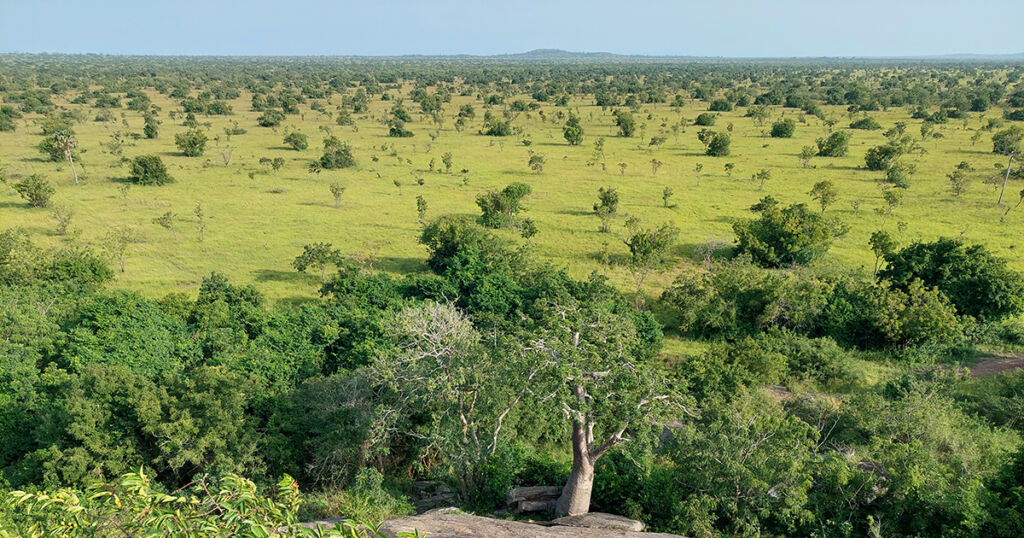
We are all in a desperate race for net-zero to halt the changing climate. Plus we are in the middle of an unprecedented biodiversity crisis, e.g., wild mammals now reported to make up only 2% of the global land mammalian biomass (the majority of which is livestock).
The five finalists who are in line to win this year’s $150 000 USD Jennifer Ward Oppenheimer Research Grant have been selected.
It’s easy to be laid low by all that ails our planet. But the cure lies in taking incremental steps, celebrating small wins and building on them.
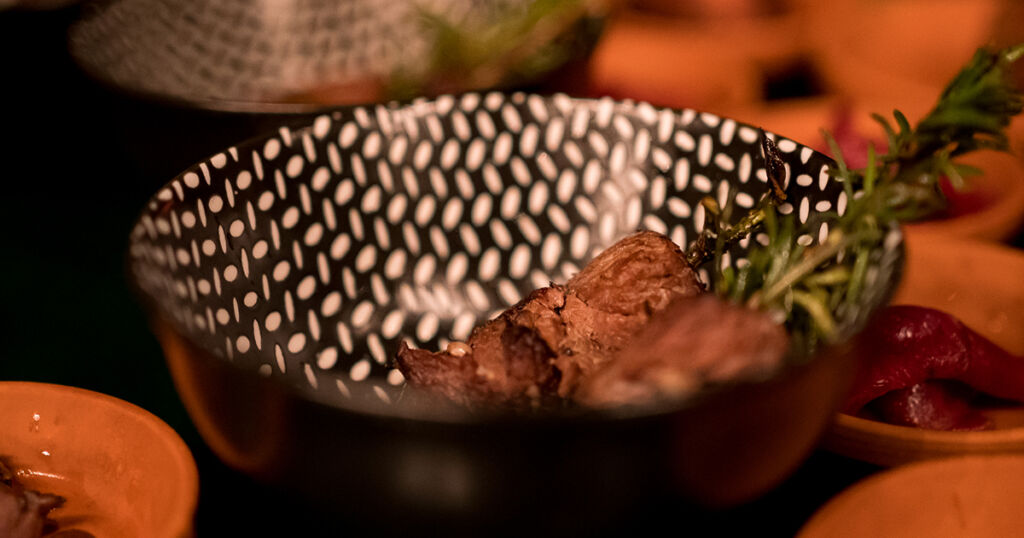
The consumption of wild meat remains a morally contested and controversial issue in conservation policy and science.
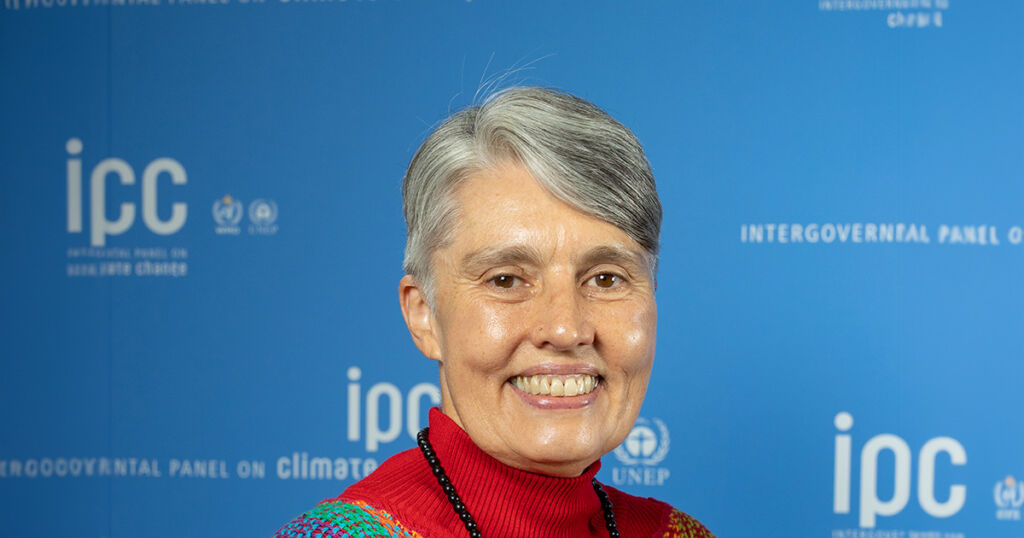
The world’s foremost body for climate assessments has never been headed by a woman or anyone from Africa. South Africa’s Professor Debra Roberts aims to rectify both by throwing her hat into the ring to be elected chair of the Intergovernmental Panel on Climate Change (IPCC).
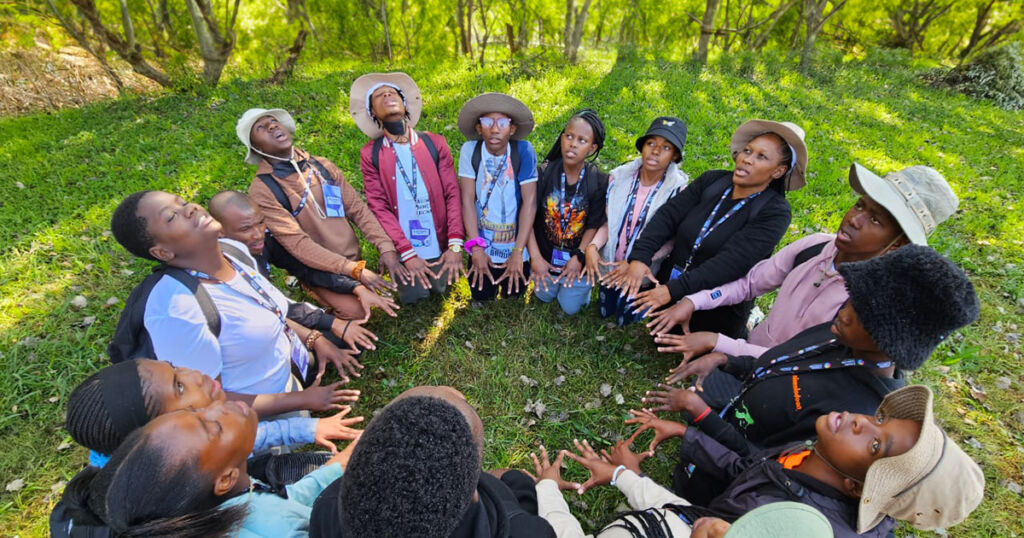
As the next generation aspires to build a brighter future, Columba Leadership South Africa is determined to play its role
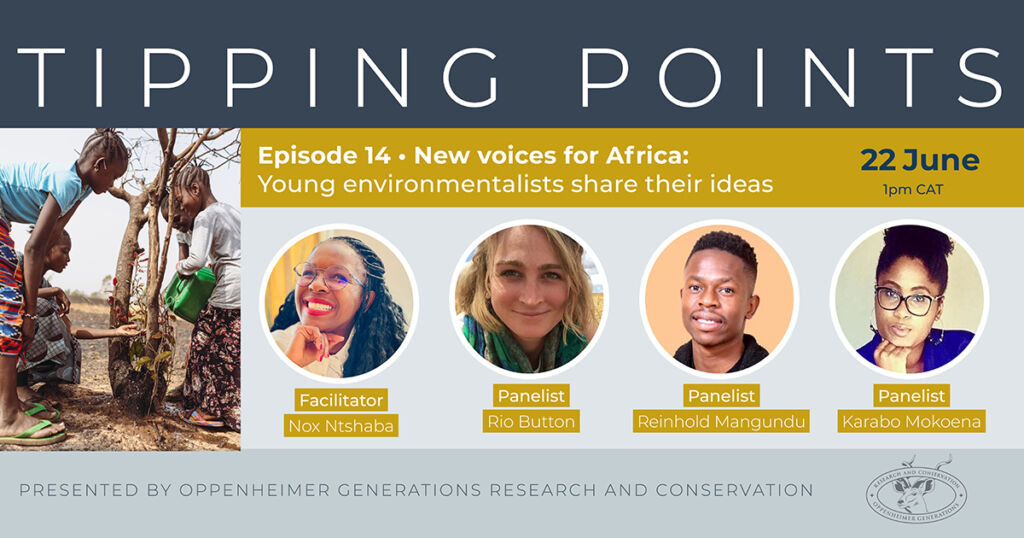
Read some background and insights from the young panelists, joining the OGRC Tipping Points webinar on 22 June, about how their perspective as a youth informs their priorities for environmental and conservation matters in Africa. They also unpack what makes them want to get up in the morning, and want to change things for the better.
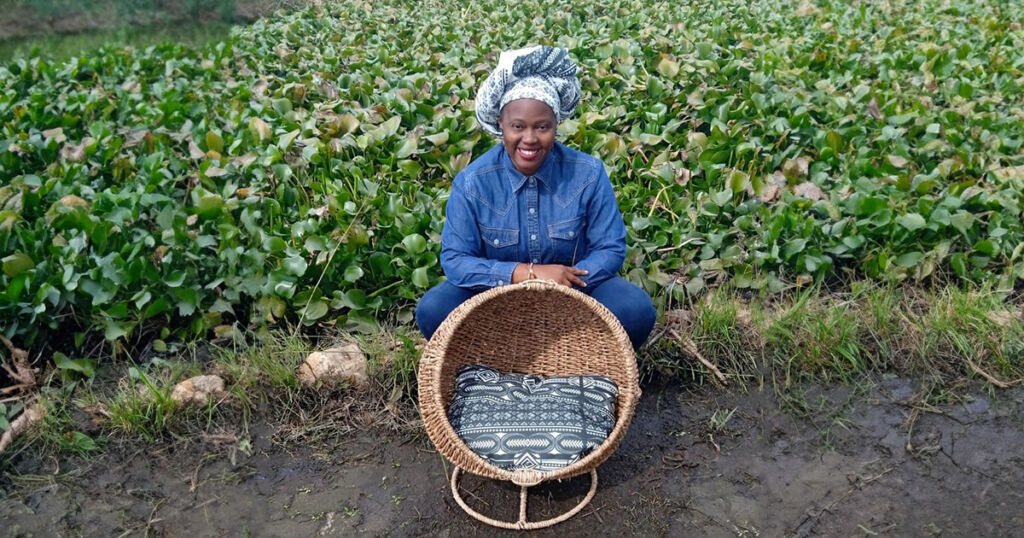
Tumi Mphahlele has, found a way to turn one of the “100 of the World’s Worst Invasive Alien Species” (water hyacinth) from a destructive pest into one with an ecological and economic purpose.